10 Things We All Love About Coffee Bean 1kg
Benefits of Buying a Coffee Bean 1kg in Bulk If you're a coffee enthusiast and know the importance of using high-quality beans for your daily coffee. You're making a smart decision when you purchase coffee beans in bags of 1kg. It's beneficial for your pocket as well as your taste buds and the environment. Making purchases in bulk allow for exploration of grind sizes, brewing methods and blends that can enhance your coffee experience. 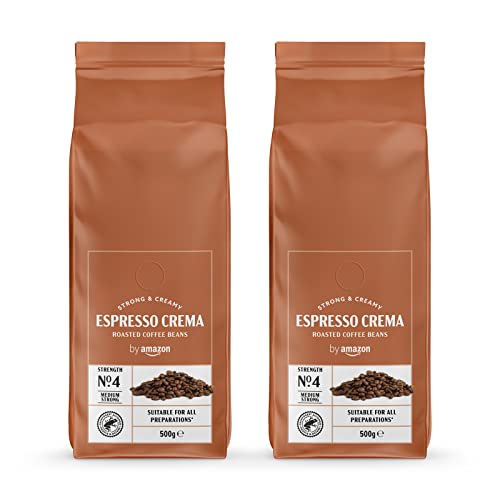 Benefits It doesn't matter if you're looking to improve your health or simply enjoy a great cup of coffee, you will enjoy the benefits of purchasing one kilogram of coffee beans. They are rich in antioxidants and nutrients that are good for the body. They contain riboflavin and potassium, magnesium and zinc. However, it is important to consume these in moderate amounts. Green coffee beans are believed to boost metabolism, burn fat and lower cholesterol levels. They also lower blood pressure and can prevent blood sugar spikes. Additionally, they possess neuroprotective properties and block the production of acetylcholinesterase. This is the chemical responsible for those “out of it” feelings. They also increase the speed of reaction and concentration. Although most people consume coffee to boost their energy levels, it can be a problem. them, excessive consumption can cause anxiety, sleep disturbances and heart palpitations. If you drink it in right amounts it can help keep you productive and focused all day. The caffeine in coffee beans improves your short-term memory and boosts brain activity. This is the reason why so many people depend on it to get them through long workdays. Before coffee beans are roasted, they need to be harvested and dried. The harvesting process varies according to the type of plant being grown and also the place it is. The beans are extracted from the fruit, also known as a coffee cherry, by different methods. Some farmers harvest the fruit by hand, while others employ large machinery to harvest the beans. The beans are then spread to dry. It takes between 10 and 14 days. During this time the beans have to be rotated regularly to ensure an even drying. After they have dried completely then they can be cooked. The right grind is crucial for your coffee beans. This will determine the taste and the quality of your coffee will be made. In general lighter roasts are sweeter and less acidic, whereas darker roasts are more smoky and bitter. However, it is important to test different grinds until you find the perfect one for you. The origin of the bean has an influence on the taste. For example, beans from Central and South America tend to be mild and balanced, whereas those from Africa are floral or fruity notes. Savings Coffee beans in bulk offer significant savings on costs, as you can purchase a kilogram of coffee for less you would pay for smaller amounts. This means you can get fresh-tasting coffee for less than the price. Additionally the bulk purchases usually come with free shipping and discounts which can further lower the cost of your purchase. The savings you'll earn can make a big difference for coffee drinkers. Another benefit of buying coffee beans in large quantities is that they can last longer than smaller counterparts. If you buy in large quantities your beans will remain fresh for a period of weeks, giving you more cups of coffee to enjoy before they turn stale. This is a great method to save money on coffee, particularly for those who drink many cups of coffee each day. A kilogram of coffee beans will last about 4-6 weeks if stored properly. Use an airtight container to keep your beans. Once your beans are exhausted, fill the container and keep it in a cool, dark place. This will help your beans to last even longer, and taste great right until the very end! You can also put coffee beans in a freezer to extend their shelf life. However, organic coffee beans 1kg is important to note that this can alter the flavor of the beans. If you don't have a lot of freezer space, it's better to store them in the refrigerator. It's also an excellent idea to separate your coffee beans into jars or bags immediately after opening them. This will ensure that they are only exposed to oxygen once until you're ready to prepare them for brewing! A kilo of coffee will not only save you money, but it can help you find your favorite flavour profile. The variety of whole bean coffees at your disposal allows you to experiment with different grind sizes, brewing techniques, and blends. This freedom of experimentation will enrich your coffee experience, making every cup a fresh discovery! Experimentation Like all vascular plants, the coffee plant uptakes mineral elements and micronutrients from the soil. The uptake depends on the species of the plant, its age, root distribution, the chemical and physical properties of the soil (pH Eh, pH, organic matter, anions cations content, proportions of the various elements, etc), fertilizers and general climate conditions and a number of other factors. Therefore, it's not surprising that certain species of plants are more prone to higher concentrations of heavy metals and radionuclides than others. All of these factors could affect the 210Po level in the final cup. The 210Po content of the coffee beverage that is brewed can be affected by a variety of processes, such as roasting and storage. In order to investigate these effects, various commercially available grinded coffees were examined. The 210Po content was measured in the raw green and coffee beans, as well as in the final brewed coffee. Also, the loss of 210Po when roasting was examined. The temperature of the coffee beans influences the distribution of particle size as illustrated in Figure. 4. During the process of grinding particles are heated by their surroundings when they are accelerated through the burrs and agglomerated. The size of particles decreases as result. The distribution of size in modal terms is clearly bimodal, with an abundance of small particles and few large ones. This distribution is not uniform and can have a significant impact on the final product's flavor and quality. For instance, the tiniest particles have the greatest surface area and contribute the most to bitterness of poorly roasted coffee. They are also more susceptible to contamination. The process of making and processing coffee leaves a significant environmental footprint. The emissions from the growing stage are estimated to be 7-8% of the carbon footprint total, the remainder of which comes from export and milling. A past LCA study of sustainable coffee production showed that 77% reduction in the carbon footprint could be achieved by reducing the use of agrochemicals and improving the transport of the beans.